Learn How a Commercial General Contractor Can Improve Performance and Achieve Success in Your Construction Endeavors
A commercial general contractor is vital in the building sector. The contractor's skill streamlines project management, leading to improved performance and positive results. By facilitating dialogue among project participants and using their connections with subcontractors, they assist in navigating the complexities of building endeavors. Familiarity with local regulations also reduces potential legal issues. This brings up a key point: how do these factors come together to transform the construction process?
The Role of a Commercial Builder
A GC directs the complicated workflow of construction work, ensuring that every aspect runs without issue from beginning to end. They serve as the main point of contact, liaising between various project participants, including owners, subcontractors, and vendors. This role involves careful organization, scheduling, and budgeting to keep projects on schedule and cost restrictions.
The contractor manages all building work, guaranteeing adherence with building codes, safety regulations, and standard specifications. They are responsible for obtaining necessary permits and addressing any legal requirements required for the work. Furthermore, they manage the workforce, delegating work to qualified workers while monitoring performance and productivity.
In addition to supervising site activities, the contractor handles any delays or delays that arise, adapting plans as necessary to maintain the project schedule. This extensive oversight is crucial for reducing risks and ensuring the successful delivery of commercial building projects.
Benefits of Hiring a General Contractor
Working with a general contractor provides many benefits that can greatly enhance the efficiency and success of a building endeavor. One key benefit is their proficiency in handling complex projects, allowing for streamlined communication among various parties involved. This centralization lowers communication errors and mitigates potential delays.
Furthermore, general contractors have existing connections with subcontractors and suppliers, guaranteeing prompt access to quality materials and skilled labor. This approach can lead to lower costs and more efficient timelines.
They also bring a deep understanding of regional building standards, which prevents legal complications and expensive penalties.
Moreover, employing a contractor enables owners to concentrate on their main business goals, instead of dealing with daily construction management tasks. In summary, having a contractor involved often yields a more systematic, streamlined, and successful construction endeavor, thereby ensuring a greater financial return.
Key Responsibilities in Project Management
Successful project execution copyrights on multiple essential roles that a general contractor must copyright during the entire building phase. A primary aspect of this job involves creating a clear project scope, which specifies the goals, schedules, and cost restrictions. The GC works closely with different parties, such as architects, subcontractors, and material providers, making sure communication is fluid and collaboration.
In addition, they oversee resource allocation, overseeing workers and materials to maximize effectiveness. Analyzing potential problems is another critical responsibility, as the contractor must identify potential issues and develop plans to lessen their impact. Regular progress monitoring is crucial; the contractor evaluates work completed against project milestones, modifying plans when needed to keep on schedule.
In addition, a general contractor guarantees compliance with safety regulations and building codes, creating a safe workplace. Through these responsibilities, they ensure a comprehensive method to project management, driving overall success for construction efforts.
Methods GCs Use for Timely Project Delivery
While challenges in construction timelines are common, general contractors employ strategic planning and forward-thinking oversight to secure on-time delivery. They start by creating detailed timelines that detail every stage of the project, including milestones and deadlines. By breaking the project into smaller tasks, they can allocate resources effectively and foresee possible setbacks.
Frequent status checks is also a vital element; general contractors evaluate the project's state against the established timeline, permitting changes when needed. They utilize risk mitigation, identifying potential obstacles early and developing alternative plans to mitigate disruptions.
Moreover, general contractors maintain strong relationships with vendors and subs, guaranteeing labor and materials are accessible when needed. This proactive approach promotes ownership for every participant, leading to a more efficient process. In the end, these methods lead to greater effectiveness, reducing the likelihood of overruns and guaranteeing that projects are finished on time.
Enhancing Communication and Teamwork at the Jobsite
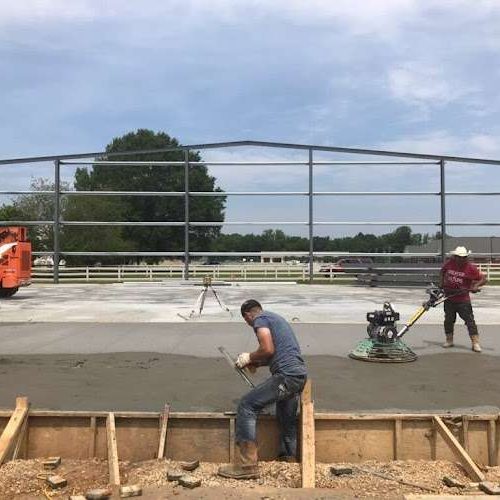
To boost information flow and collaboration on construction sites, GPs establish structured processes that streamline communication between every member of the team. These methods usually comprise scheduled gatherings, defined ways to report problems, and the application of technology that enable immediate status reports. By setting up a system for communication, contractors guarantee that all stakeholders—architects, subcontractors, and workers—are aligned on project goals and timelines.
Furthermore, promoting openness helps to address concerns promptly, decreasing the possibility of misunderstandings that could result in postponements. They also solicit opinions from every tier of personnel, understanding that knowledge from field workers can significantly boost job productivity. By prioritizing communication and collaboration, general contractors not only streamline operations but also boost employee satisfaction, which helps ensure the success of construction endeavors. The result is a more cohesive work environment where challenges are met with collective problem-solving.
FAQs
What Qualifications Should I Look for in a GC?
When hiring a building professional, one should prioritize qualifications such as licensing, insurance, proven expertise, excellent recommendations, and strong interpersonal skills. These factors contribute greatly to smooth project delivery and complete client happiness.
How Do General Contractors Handle Project Budgeting?
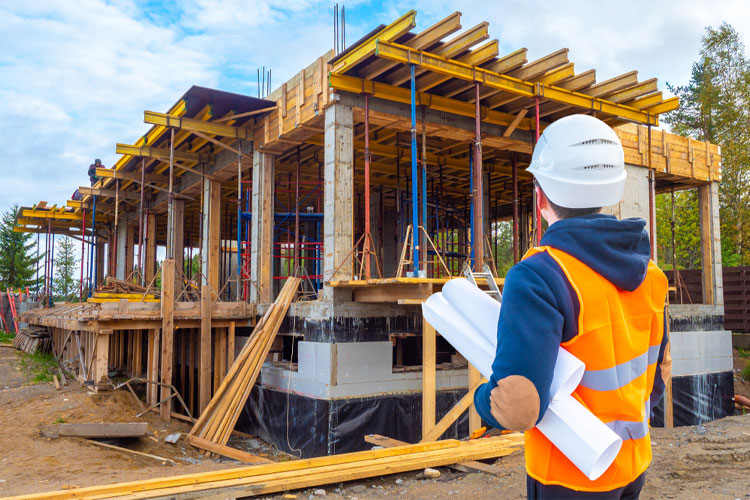
General contractors handle job finances by calculating expenses, securing bids from subcontractors, tracking expenses throughout the project, and making budget changes as required. Hickory top rated Commercial General Contractor. They ensure that funds are appropriate for the project, maximizing efficiency and reducing monetary exposure
Can a General Contractor Assist With Permits and Regulations?
Certainly, a building contractor can aid in permits and regulations by navigating the complicated rules, making certain local statutes are followed, and facilitating the application process, thereby accelerating the project and lessening the chance of client postponements.
How Long Does It Usually Take for Hiring a General Contractor?

The typical timeline for hiring a general contractor can take anywhere from a few weeks to several months, depending on project complexity, how available the contractor is, and how quickly the client makes decisions, to ensure proper planning and alignment with construction goals. - Hickory top rated Commercial General Contractor
- Hickory top rated Commercial General Contractor
What Methods Do General Contractors Use to Effectively Manage Subcontractors?
General contractors manage subcontractors effectively by establishing clear communication, establishing specific expectations, keeping a close eye on progress, and managing the coordination of schedules. They guarantee that all additional resource parties understand their roles, promoting teamwork to keep the project on schedule and quality standards.
Comments on “Choosing Key Commercial Partner Managing Large Ventures”